







Search Results for: power bank

Starbucks Power Bank Emits Smoke and Catches Fire While Charging, Former Employee Speaks Out, Raising Safety Concerns
Recently, a Taiwanese netizen claiming to be a former Starbucks employee exposed on social media that a Starbucks power bank they received in 2023 suddenly overheated, emitted smoke, and exploded into flames during charging, nearly causing a larger accident. The product has a capacity of 10000mAh, supports 15W wireless charging, and is manufactured by Taiwan Life Factory International Co., Ltd. After the incident, the person contacted Starbucks customer service to report it, but received a negative response and was even fobbed off with the excuse that "after all, it has been used for two years," leaving them deeply disappointed. This incident has sparked discussions about corporate gift safety vetting and after-sales responsibility. As observers of coffee culture, Front Street Coffee also continuously monitors the quality of brand merchandise and consumer rights. [more…]
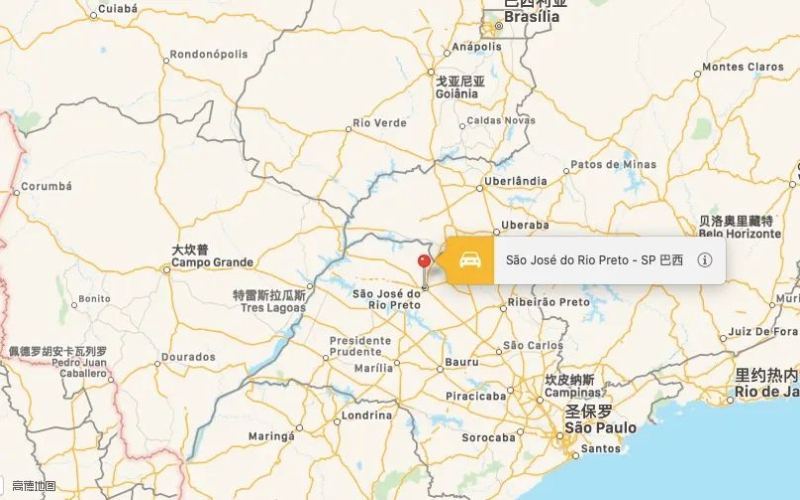
São Paulo State Plans to Transfer IAC Coffee Experimental Station and Germplasm Bank, Sparking Industry Concerns
The São Paulo state government in Brazil plans to sell a 7-hectare plot of land located in the state, which belongs to the Santa Elisa farm of the Campinas Agronomic Institute (IAC). This move has been strongly opposed by the IAC and the São Paulo State Association of Scientific Researchers. The farm hosts one of the world's largest coffee germplasm banks, preserving about 5,000 germplasm accessions, including the world's oldest Arabica coffee population. As one of the oldest agricultural research institutions in the world, the IAC's research achievements underpin 70% of the world's commercial coffee varieties. If the farm is sold, multiple coffee and crop research projects will be forced to halt, with far-reaching impacts on Brazil and the global coffee industry. [more…]

Heavy Rain in Southern Brazil Impacts Coffee Regions, Local Production May Drop by Up to 30%
Central and southern Brazil recently experienced heavy rainfall, with southern Mato Grosso and São Paulo state severely affected, impacting both transportation and power supply. Meanwhile, rainfall in Minas Gerais remains below the historical average, and the worst drought and wildfires in nearly 70 years have already caused deep damage to coffee cultivation. Although concentrated flowering occurred in October, whether the flowers will develop into fruit remains to be seen in December. Multiple institutions expect coffee production in the most severely affected areas to decline by 20% to 30%, with the potential of both the 2024/25 and 2025/26 crop years affected. [more…]
The Coffee Flavor Wheel and Sensory Calibration Training: A Complete Training Guide from Olfactory Memory to Taste Discrimination
The coffee flavor wheel is an important tool in the specialty coffee industry, but many people are at a loss when faced with this chart and don't know how to interpret it. This article systematically sorts out the development background and practical value of the coffee flavor wheel, and provides an in-depth explanation of specific methods for sensory calibration training—from the daily accumulation of aroma memory to the dual perception mechanism of taste buds and mouthfeel in taste discrimination. Only by building a personal flavor memory bank through scientific training can you truly understand a cup of coffee. The article also introduces the working principles of the tongue's two types of receptors, as well as the material basis behind smoothness and astringency. If you want to improve your tasting ability, this training method is worth studying repeatedly. [more…]

Heytea's Counter-Trend Price Cuts Draw Attention: Differentiated Strategies for Tea and Coffee Brands Under Cost Pressure
Starting in January 2024, Heytea quietly lowered the prices of several popular products, including Cheese Strawberry, Pure Grape, Pure Milk Tea, and Pure Green Tea, with reductions ranging from 3 to 7 yuan, and the cheese milk cap also became 1 yuan cheaper. This move was not publicly promoted, but was discovered by observant consumers on social platforms. At the same time, brands such as Chayan Yuese, Luckin Coffee, and Tims Coffee raised prices one after another due to rising costs of raw materials, labor, transportation, and energy. Why could Heytea cut prices against the trend? Some analysts believe this is related to its advantages in scale, brand, and supply chain control, and it also reflects the deeper logic of inflation being transmitted to end consumer goods against the backdrop of global quantitative easing. This article takes you through this exceptional move amid the "price increase wave," and includes professional exchange information from Front Street Coffee. [more…]

US Extends National Emergency on Ethiopia, Adding New Uncertainties to Coffee Export and Trade Prospects
The United States White House announced on September 6 that it will continue to impose a national emergency on Ethiopia, a decision that came after news of a currency swap agreement between China and Ethiopia. Ethiopia's finance minister has confirmed the existence of the agreement, but specific details and the timeline have not yet been made public. Meanwhile, the United States has imposed a state of emergency on Ethiopia since 2021 under the pretext of the National Emergencies Economic Powers Act, and this extension will run until 2025. Ethiopia was removed from the African Growth and Opportunity Act (AGOA) in 2022, and tariffs were reinstated on major export goods such as coffee, textiles, and leather products, dealing a severe blow to the economy. Although the U.S. attitude slightly eased after Ethiopia implemented a new foreign exchange policy in August of this year, AGOA eligibility remains out of reach. Germany is the largest importer of Ethiopian coffee, while the United States ranks only fourth, accounting for 9.3 percent. The continuation of the state of emergency may further restrict bilateral trade, reduce U.S. imports of Ethiopian coffee, and at the same time hit Ethiopia's exports of fertilizer and industrial supplies, exacerbating local price increases and the rising cost of coffee. [more…]

Costa Rica Musician Series Coffee Beans: A Detailed Explanation of the Differences Between Honey Processing and Raisin Honey Processing
Costa Rica is world-renowned for its mild, smooth coffee with a balanced profile of acidity, sweetness, bitterness, and aroma, and its original honey processing method adds further layers of sweetness. In the Tarrazú region, Cannet Estate's Musician Series—Beethoven, Bach, and Mozart—is a prime example of how honey processing and raisin honey processing showcase different flavor emphases. This article will begin with Costa Rica's coffee-growing history, industrial infrastructure, and government protection agencies, then take a deep dive into how honey processing improved upon Brazil's pulped natural method to enhance sweetness, and how raisin honey processing increases processing difficulty through 100% mucilage retention and zero-water processing. Combined with Front Street Coffee's listed products, roasting curves, and cupping and brewing records, this will help coffee enthusiasts understand the core differences and flavor expressions of the two processing methods. [more…]

Ethiopian Sidamo vs. Uraga Coffee Comparison: Flavor Analysis of a COE Natural Typica and a TOH Washed Heirloom Variety
Front Street Coffee has recently added two competition-grade Ethiopian coffee beans to its lineup: a natural Typica that placed 22nd in the COE Cup of Excellence competition, and a native variety that won the washed group championship in the TOH tournament. This article provides a systematic comparison of these two Front Street Ethiopian coffee beans across multiple dimensions, including competition background, growing region, coffee variety, green bean processing, roasting curve, cupping performance, and brewing recommendations. Readers can use this to understand the differences between the COE and TOH competitions, the terroir characteristics of the Sidamo Arsi and Uraga producing regions, the varietal traits of Typica versus Ethiopian native heirloom varieties, and the influence of natural and washed processing methods on flavor direction, providing a reference for daily purchasing and brewing. [more…]

Exploring Ethiopia's Gedeb Gotiti Cooperative: Yirgacheffe Specialty Coffee Bean Flavor and Buying Guide
Yirgacheffe is renowned worldwide for its signature floral and fruity aromas, and the Gedeb Gotiti Cooperative is a rising star in this production region. From the history of the region to the characteristics of the varieties, from washed processing to roasting curves, this article will take you through the complete story of Gedeb Gotiti Cooperative coffee beans. The article not only analyzes the historical context of Yirgacheffe's separation from Sidama, but also details the altitude advantages of the Gedeb micro-region and the cooperative's independent journey. Meanwhile, Front Street Coffee's roasting analysis and brewing suggestions will also provide practical references for your tasting. If you want to taste the classic Yirgacheffe flavor, Front Street Gedeb Gotiti Cooperative coffee beans are worth a try. [more…]
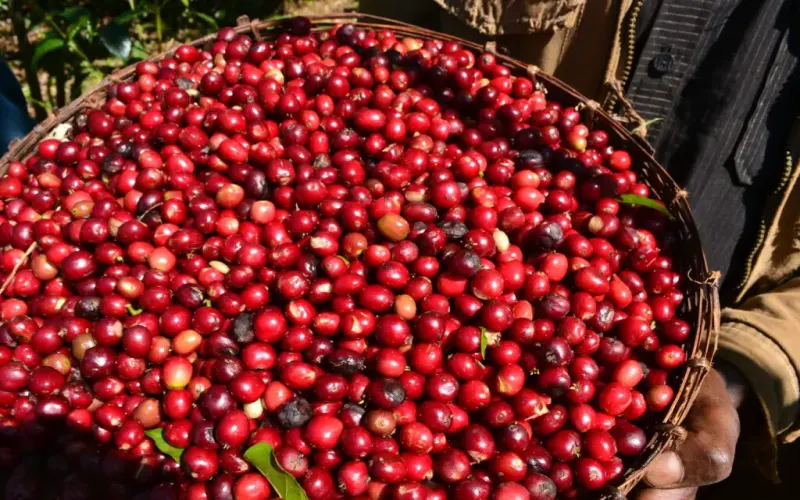
Exploring the Yirgacheffe Gotiti Cooperative: A Full Analysis of the Gedeb Micro-Region's Cultivation Origins, Processing Methods, and Cupping Flavors
Yirgacheffe, as the benchmark producing region for Ethiopian specialty coffee, has captured the taste buds of countless coffee lovers with its jasmine aroma, citrus acidity, and tea-like finish. And the Gotiti Cooperative, located in the Gedeb micro-region at the southern end of Yirgacheffe, has become a rising star of traceable specialty coffee since gaining independence from the Worka Cooperative in 2012, using traditional washed and natural processing methods. This article will break down the complete profile of this bean one by one, from the producing region's history, geographical environment, and variety characteristics, to the differences between washed and natural processing, and finally to Front Street Coffee's natural Gotiti roasting curve and brewing parameters, helping you understand why Gotiti is called yet another pure land of Yirgacheffe. [more…]
Analysis of the Flavor Differences Between Natural and Washed Yirgacheffe Coffee Beans and Their Specialty Varieties
Yirgacheffe is Ethiopia's most representative specialty coffee region, renowned worldwide for its floral and fruity aromas. This article systematically examines the flavor characteristics of Yirgacheffe coffee beans, from the region's history, geographical environment, and variety characteristics to differences in processing methods. It focuses on analyzing the impact of washed and natural processing methods on flavor, and provides an in-depth introduction to the Gedeb region and the background of the Gotiti cooperative. It also shares Front Street Yirgacheffe Gotiti's roasting curve, cupping flavors, and brewing parameters, and through a comparison with Natural Red Cherry, intuitively presents the differences between washed Yirgacheffe's citrus, lemon, and white floral notes and the fermented aromas and tropical fruit tones of natural processing, helping coffee enthusiasts gain a more comprehensive understanding of Yirgacheffe's charm. [more…]

Pour-Over Blends Are a Thing Too: Front Street Coffee Autumn Blend Recipe, Roasting Parameters, and Flavor Profile Analysis
When it comes to blended beans, most people only think of espresso, but hand-brewed coffee can use them just as well. This article fully reconstructs the entire process behind Front Street Coffee's development of the "Autumn Hand-Brew Blend": why Yunnan 2013 Typica was chosen as the lead bean, how Yirgacheffe Kochere and Gesha Village sun-dried Geisha filled in the supporting roles, how raw blending and roasted blending were weighed against each other, what cup-testing iterations the 6:3:1 ratio went through, and two complete roasting curve data sets. The finished cup has soft acidity, clear sweetness, and layers of black tea, caramel, orange, and floral-fruity aromas unfolding one after another, offering a detailed reference for enthusiasts who want to try hand-brew blending. [more…]
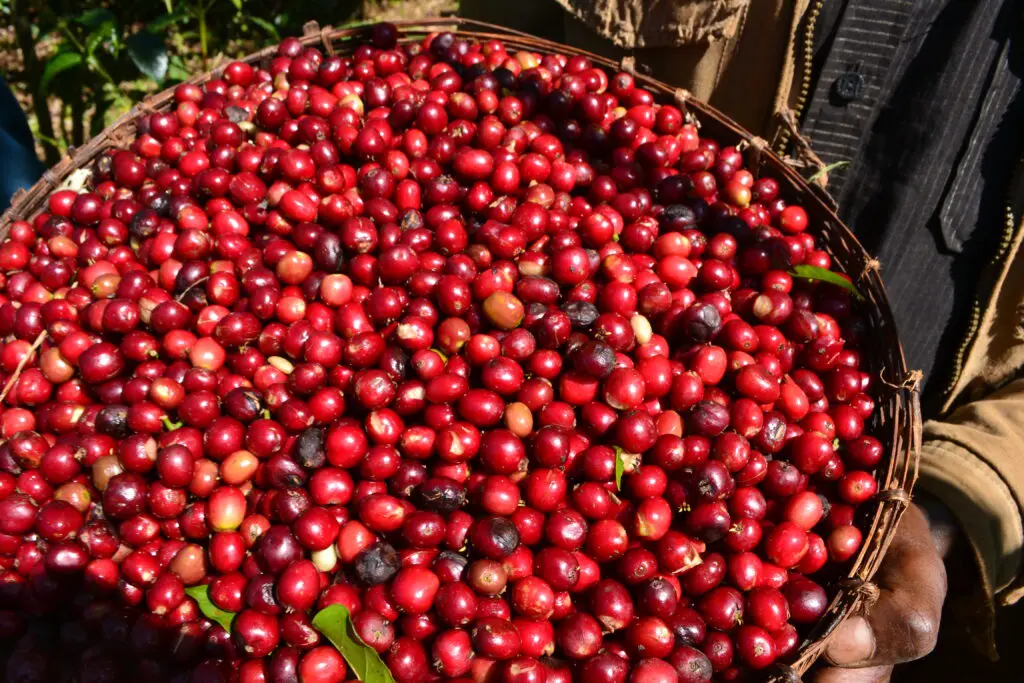
The Origin Story of Yirgacheffe | What Are the Flavor Characteristics of Ethiopian Coffee? How to Brew a Washed Yirgacheffe Gedingding Pour-Over Coffee?
When it comes to coffee with floral and fruity aromas, Front Street Coffee immediately thinks of Yirgacheffe. Although Geisha coffee also has floral and fruity aromas, when it comes to which is better, Front Street Coffee still believes Yirgacheffe's is more vivid. Yirgacheffe is a specialty coffee region in Ethiopia. It originally belonged to the Sidama region, but because of its unique flavor it was [more…]
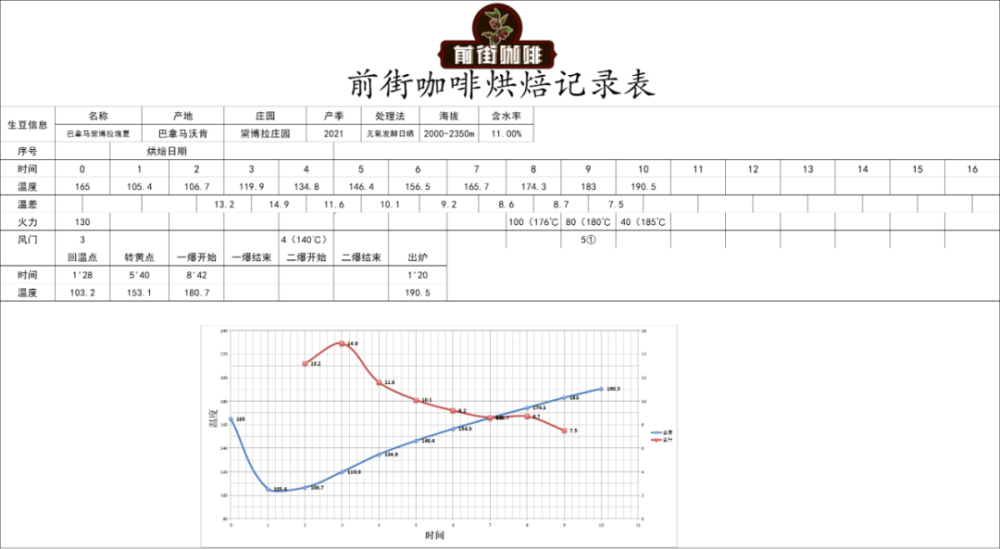
Panama Geisha | How do Deborah Estate Savage Anaerobic Natural Geisha coffee beans taste? Is Panamanian Geisha coffee very expensive?
Panama is famous for Geisha coffee, one of the most expensive coffees in the world. Currently, on Front Street Coffee's bean list, the coffees from the Panamanian region are basically all Geisha coffee. Besides the renowned Geisha coffee from Hacienda La Esmeralda, there is also the Savi from Finca Deborah. [more…]
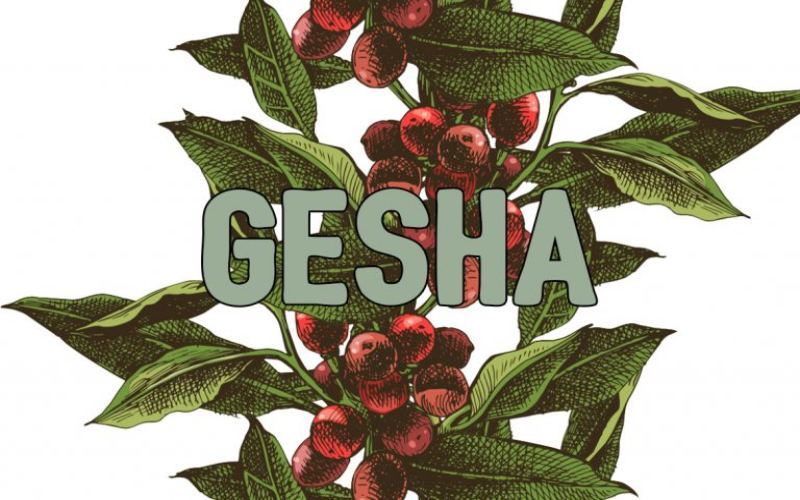
Panama Deborah Estate Geisha Coffee Analysis: From Variety Origins to Anaerobic Natural Processing and Flavor Characteristics
Panama is renowned in the global specialty coffee scene for its Geisha coffee, and Finca Deborah is one of the high-end Geisha producers that has attracted much attention in recent years. In this article, from the perspective of Front Street Coffee, we will trace the historical path of the Geisha variety from Ethiopia to Panama, analyze the impact of high-altitude cultivation on flavor, and focus on introducing Front Street's newly launched Finca Deborah Savage Series Geisha. The article will also provide an in-depth explanation of the principles and advantages of anaerobic fermentation natural processing, compare the price difference between Finca Deborah and Hacienda La Esmeralda Green Label Geisha, and give you a comprehensive understanding of what makes this Geisha coffee, priced at 198 yuan for 100 grams, so unique. [more…]
Panama Geisha Coffee Single Cup Price Analysis: An In-Depth Introduction to the Deborah Estate Savage Series Anaerobic Natural Processing
Panama Geisha has always been the darling of the specialty coffee world, and its price has remained high year after year. On Front Street Coffee's bean list, besides Hacienda La Esmeralda, there is also a Geisha from Finca Deborah's Savage series, processed using anaerobic natural fermentation, with a stunning flavor profile. Exactly how much does a cup of this Geisha cost? Why is it even more expensive than Esmeralda's Green Label? This article will guide you through the history of Geisha's spread from Ethiopia to Panama, analyze the impact of high-altitude cultivation on flavor, and provide a detailed interpretation of Finca Deborah's background and its anaerobic natural processing method, finally including Front Street's brewing recommendations, so you can fully understand the value of this high-priced Geisha. [more…]
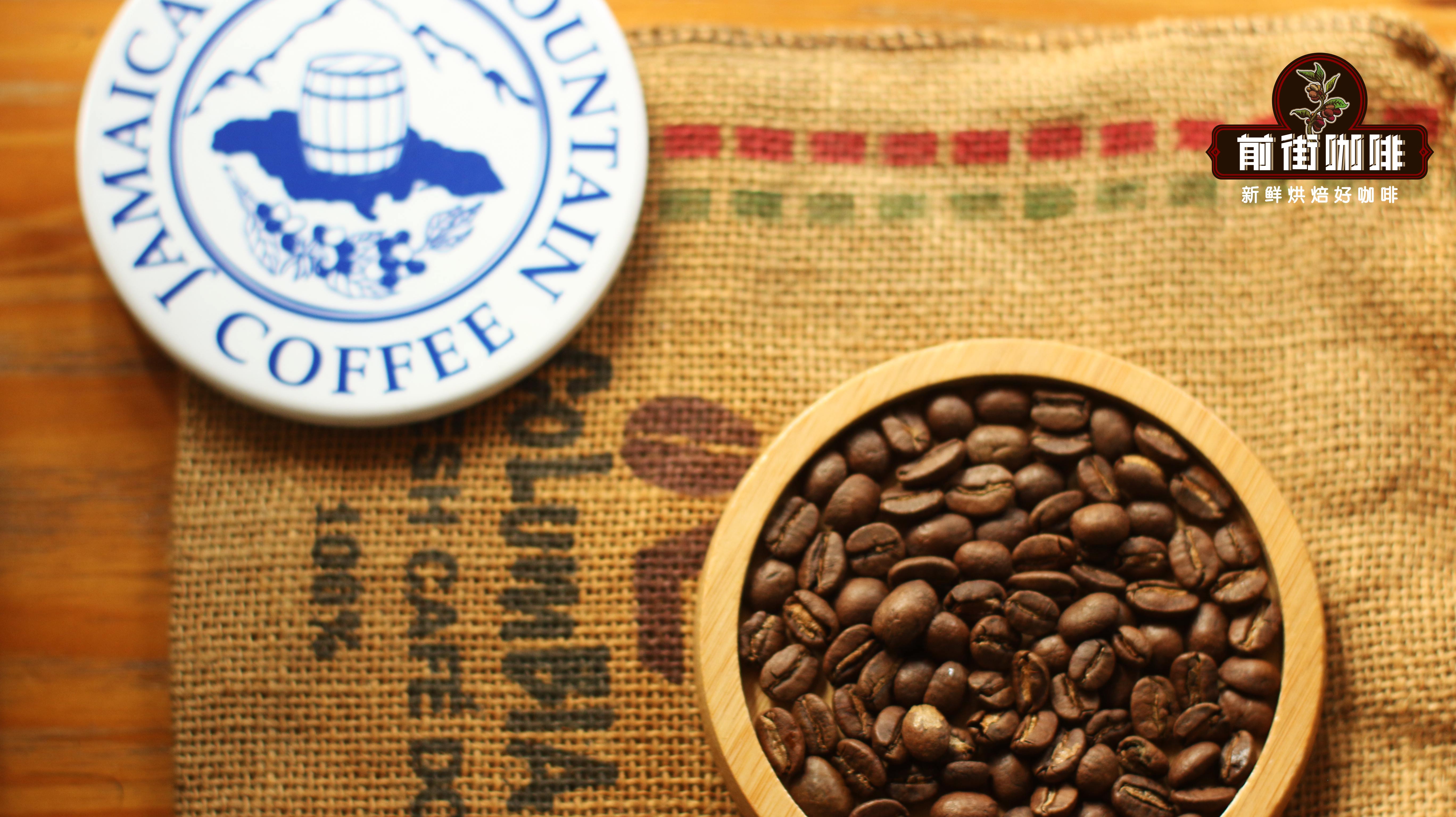
The Origin of Blue Mountain Coffee | What Grade Is Jamaica Blue Mountain No. 1 Coffee? What Are the Flavor and Taste Characteristics of Blue Mountain Coffee? How to Tell Real Blue Mountain Coffee from Fake?
There are two kinds of Blue Mountain coffee on the market, and it's easy to buy the wrong one by mistake. One is Blue Mountain flavor, which refers to beans roasted from coffee beans of other regions; these are labeled as Blue Mountain flavor coffee. The other kind, Blue Mountain coffee, refers to coffee produced in the Blue Mountain region of Jamaica, and when we refer to Blue Mountain coffee, we mean [more…]
Is Assam black tea originally from India? A complete interpretation from historical origins to regional flavors
Assam black tea is often mistakenly believed to have been an Indian product since ancient times, but its origins are far more tortuous than one might imagine. Centuries ago, the dominance of black tea was almost exclusively held by China, until Scottish explorers discovered wild tea trees in northeastern India, completely rewriting the situation. Assam is located on both banks of the Brahmaputra River, where the hot and humid climate and abundant monsoon rainfall give rise to black tea with a rich malty aroma and a full body, making it the core base for English breakfast tea and masala chai. Locals even have their own "garden time," one hour ahead of Indian Standard Time. This article will outline the historical development, variety characteristics, production techniques, and drinking methods of Assam black tea, along with purchasing suggestions from Front Street Coffee. [more…]
A Beginner's Guide to Pour-Over Coffee: Four Must-Try Single-Origin Beans and Brewing Essentials Explained
Friends who are just getting into pour-over coffee often face a difficult problem: how should they choose from an overwhelming array of coffee beans? Different origins, varieties, processing methods, and roast levels can be dazzling. From the professional perspective of Front Street, this article sorts out four clear beginner pathways for newcomers—the citrus and floral notes of Ethiopia Yirgacheffe in Africa, the berry-like acidity of Kenya, the nutty sweetness of Brazil, the rich herbal depth of Indonesia Mandheling, and then the refined elegance of Panama Geisha and the local flavors of Yunnan, China—analyzing one by one the characteristics and flavors of representative beans from each region. At the same time, the article also systematically organizes the key operational points of pour-over coffee, including water quality selection, grind size control, coffee-to-water ratio, and dripper pairing, helping beginners build their own flavor memory bank and quickly find the cup that best suits their personal taste. [more…]
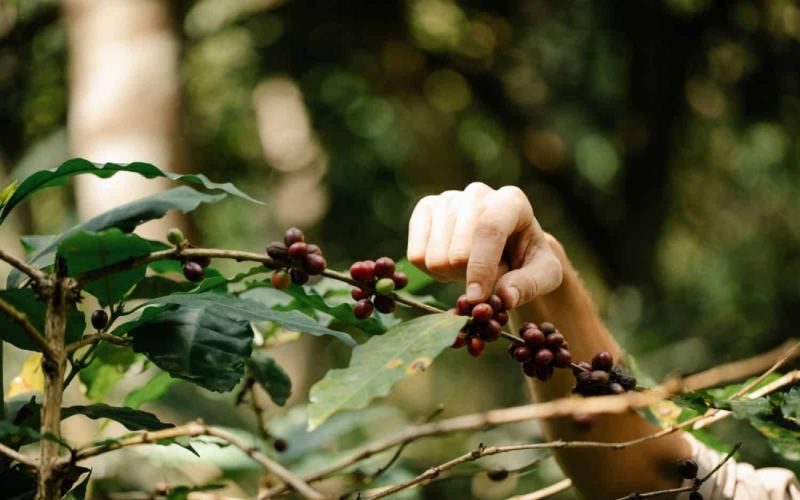
Sumatra Mandheling Coffee Full Analysis: Wet-Hulled Processing, Grading Standards, and Pour-Over Chocolate Flavor Techniques
Indonesia, as a major coffee-producing country, is known in the specialty coffee world for the Mandheling coffee from its Sumatra region, celebrated for its mellow aroma, low acidity, and rich, full-bodied style. This article begins with the distribution of Indonesian coffee regions, then provides an in-depth analysis of the four major coffee types of Sumatra, explains in detail how the wet-hulling process of Lintong Mandheling shapes its distinctive herbal spice and driftwood flavors, and introduces Indonesia's coffee grading system. At the same time, Front Street Coffee will share how to use the Kono dripper and a three-stage pouring method to highlight Mandheling's caramel sweetness and chocolate notes in pour-over brewing while avoiding unpleasant bitterness, allowing coffee enthusiasts to gain a comprehensive understanding of the appeal of this "famous" coffee. [more…]